
-

 Organize
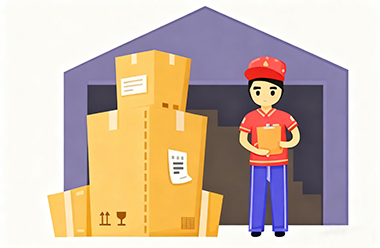
Be determined and aim high
Necessary items: Define a "Retention List" (such as daily/weekly used tools, in-stock raw materials, valid documents, etc.), and mark the frequency of use and retention period.
Unnecessary items: Define a "Removal List" (such as scrapped equipment, expired documents, damaged tools, etc.), and specify the disposal method (e.g., remove within 24 hours).
-

 Clean
Clean
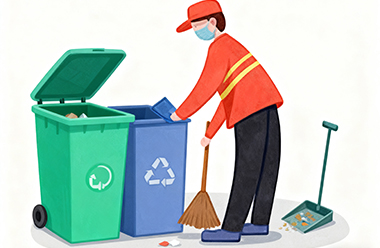
Serve wholeheartedly, start with me
Daily Cleaning: Keep floors free of garbage, oil stains, and standing water; ensure door/window glass is free of smudges, etc.
Deep Cleaning: Clean the interior of equipment (e.g., machine gaps, pipeline joints), the bottom of warehouse shelves, wall corners, and other hard-to-reach areas. If issues such as equipment oil leakage or loose parts are found during cleaning, record them immediately, report to the maintenance department within 24 hours, and follow up until the problem is resolved (closed-loop management).
-

 Quality

Develop habits; focus on people
Appearance: Dress according to the job requirements (e.g., wear work clothes and safety helmets in the workshop, keep the office clean and decent).
Operating Habits: Strictly follow the equipment operation procedures and the rules for placing items (e.g., put tools back in place immediately after use).
Teamwork: Take the initiative to participate in 6S improvement suggestions (e.g., propose optimization plans) and do not shirk responsibility. -

 Arrangement
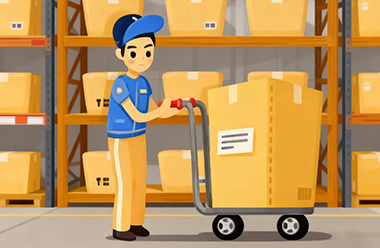
Information enhancement; efficiency guarantee
Item "Three Fixed" principles: fixed position (e.g. tools hung on designated hooks, materials placed on designated shelf layers), fixed quantity (e.g. materials on shelves should not exceed maximum/minimun stock levels), fixed identification (identification should include name, specifications, responsible person, update date).
-

 Cleaning
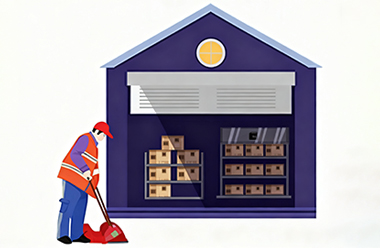
Fresh environment; space-saving
The results of organizing, arranging, and cleaning should be institutionalized and standardized, and the process and inspection mechanism should be standardized to ensure that the site remains clean and orderly for a long time. Avoid the rebound of management effects and form "normal management" instead of "special rectification".
-

 Safety
Production safety; eliminate hidden dangers
Identify and eliminate potential safety hazards in the workplace (such as equipment failure, improper operation, environmental risks, etc.), ensuring the personal safety of employees and the normal operation of production. Prevent safety accidents, reduce losses, and create a "safety first" work atmosphere. Set up safety warning signs (such as "caution: slippery floor", "no smoking", etc.), regularly carry out safety inspections and hidden danger investigations, and organize safety drills.